The Strait of Hormuz — a narrow waterway between Iran and Oman — is one of the most strategically critical chokepoints in the global economy. Nearly 20% of the world's oil supply passes through it daily. A closure or blockade, whether triggered by military conflict, sanctions escalation, or geopolitical pressure, would send shockwaves through global markets almost immediately.
For small business owners, the effects wouldn't stay on the news — they'd show up in your operating costs, your credit access, and your customers' wallets.
Fuel and Supply Chain Costs Spike First
The most immediate impact of a Hormuz disruption is oil price shock. When supply tightens suddenly, crude prices surge — and that cost flows downstream fast. Trucking rates go up. Manufacturing inputs get more expensive. Delivery costs for restaurants, retailers, and contractors all climb within weeks.
For businesses already operating on thin margins, a 20-30% increase in fuel-related costs can turn a profitable month into a loss. Industries hit hardest would include transportation and trucking, food service and restaurants, construction and contractors, and retail businesses with heavy delivery dependencies.
Credit Markets Tighten
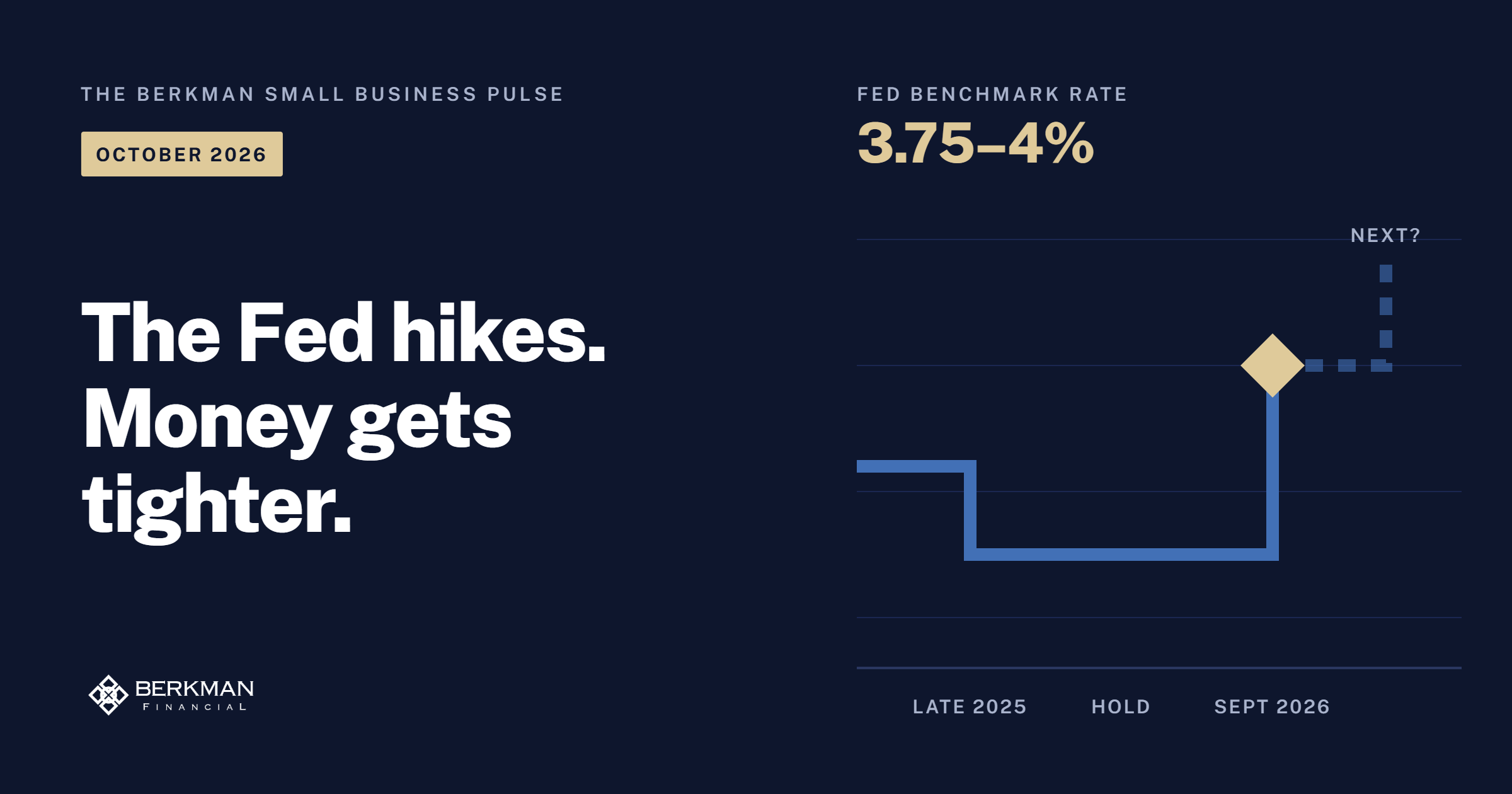
Oil price shocks historically trigger inflation spikes. When inflation rises unexpectedly, the Federal Reserve responds by holding rates higher for longer — or raising them further. That tightens credit markets across the board.
Traditional banks, already cautious lenders to small businesses, pull back further during periods of economic uncertainty. Lines of credit get reduced. SBA loan approval timelines stretch. Business owners who need working capital find the door closing at exactly the wrong time.
What Smart Business Owners Do Now
The best time to secure working capital is before you need it — not during a crisis. Business owners who establish access to alternative funding sources like merchant cash advances or revenue-based funding before a disruption have options when traditional lenders freeze.
A few steps worth taking now:
First, review your fuel and supply chain exposure. Know which of your costs are directly tied to oil prices and model what a 25% increase would do to your margins.
Second, build a cash reserve or establish a credit facility. Having access to working capital before a crisis means you negotiate from strength, not desperation.
Third, consider locking in supplier pricing where possible. Some vendors offer fixed-rate contracts — worth exploring if you have leverage.
Alternative Funding Stays Available
Unlike traditional bank lending, merchant cash advances and revenue-based funding are tied to your business performance — not macro interest rate policy. During the 2008 financial crisis and the COVID disruptions of 2020, alternative lenders continued funding businesses when banks went dark.
If global instability is on the horizon, having a funding partner who moves fast and doesn't require perfect credit or pristine balance sheets becomes more valuable — not less.
Berkman Financial has helped thousands of small businesses access working capital quickly, regardless of what's happening in global markets. If you want to understand your options before conditions change, we're here to help.
Berkman Financial is a commercial funding broker helping small businesses across the U.S. access fast working capital. Apply in minutes at berkmanfinancial.com.